A shutdown is the one time you can get to everything. Lines are cold, the plant is isolated and the scaffold is already up. It’s also the time when every trade wants the same space, and the restart date doesn’t move.
Insulation is often one of the last jobs on the list: teams repair or inspect the pipework, then it needs lagging and cladding before it goes back into service. As a result, if nobody plans the insulation properly, it can hold up the restart. Here’s how to make sure it doesn’t.
1. Bring your insulation contractor in early
The best time to talk to your insulation contractor is months before the shutdown, not weeks. That’s because early involvement means:
- A proper survey of the areas you’ll open up
- Accurate quantities, so materials arrive on time
- A realistic programme that fits around other trades
- Time to fabricate cladding, valve boxes and removable jackets off site
At AIC we usually turn quotes around in 2–3 working days, but the survey and planning should start well before that.
2. Survey what’s coming off and what’s going back on
Before the shutdown, walk the areas with your contractor and agree:
- Which insulation you’ll strip for inspection, repair or replacement
- What condition the existing insulation and cladding are in
- Whether there are signs of corrosion under insulation (CUI) that need checking
- Whether any material needs testing for asbestos before work starts
A pipe insulation survey at this stage avoids nasty surprises once the lagging is off.
3. Order materials and fabricate early
Lead times can also catch you out. Insulation sections, cladding sheet and specialist items can take weeks to arrive, especially during busy periods.
Get as much as possible made before the shutdown starts:
- Metal cladding for bends, tees and end caps
- Valve and flange boxes
- Removable insulation jackets for valves, flanges and fittings that will need regular access
In short, off-site fabrication means less cutting on site, less time in the work area and a better finish.
4. Plan access early
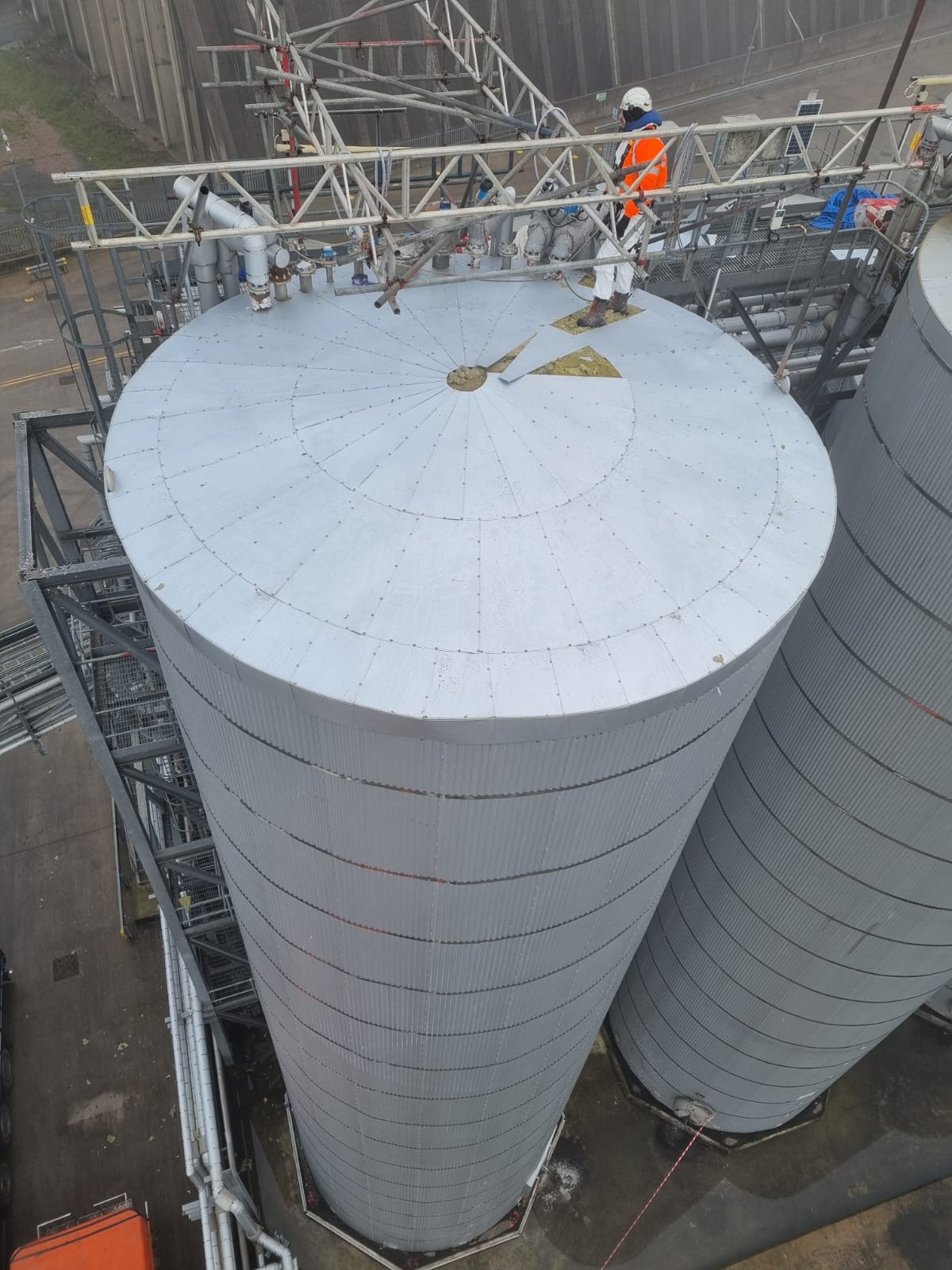
First of all, scaffold is one of the biggest costs in any shutdown, and it’s usually shared. Agree with the scaffold contractor which areas the insulation team needs, and when. Then ask for scaffold to stay up until insulation and cladding are finished.
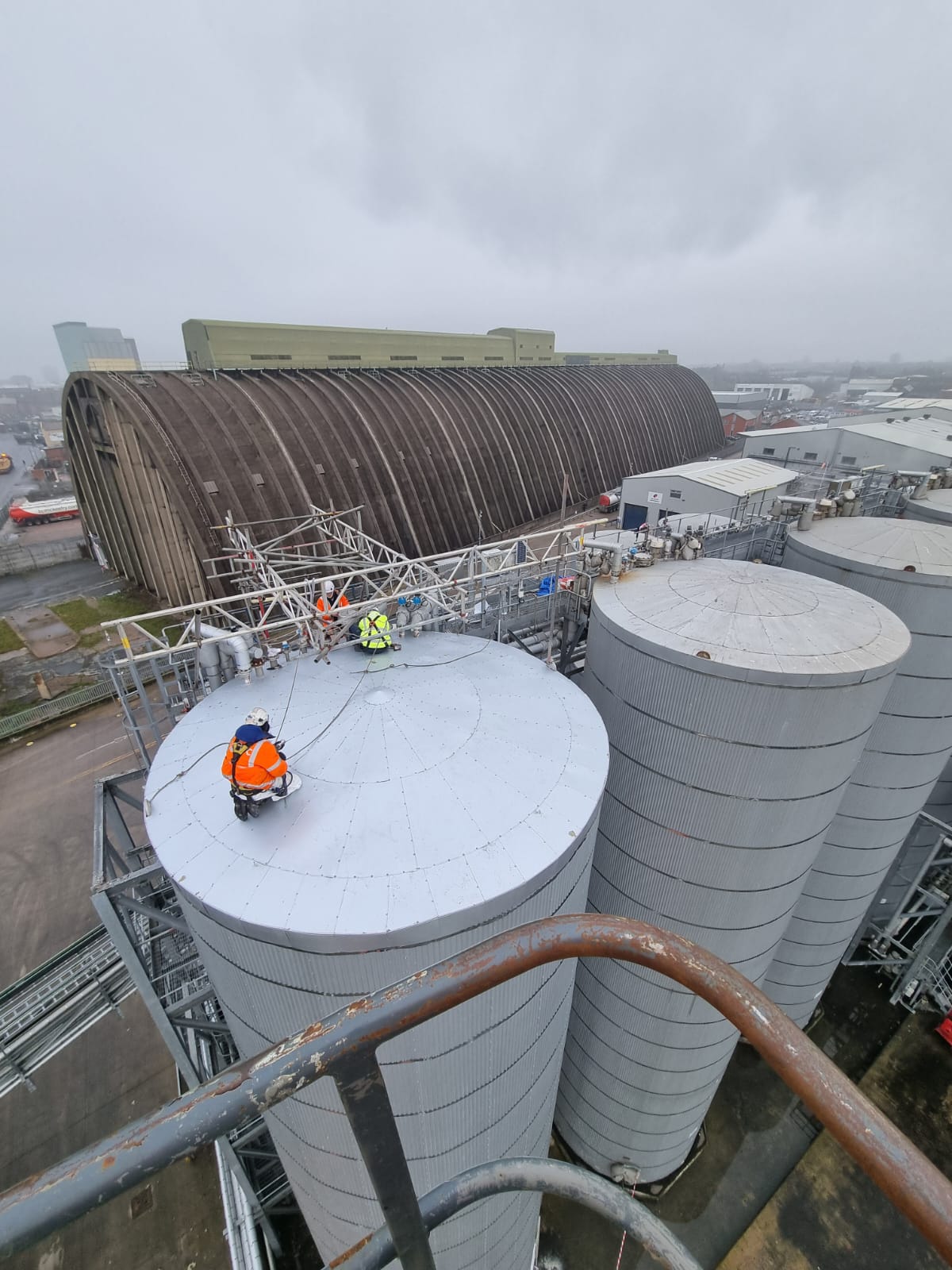
Where scaffold isn’t practical, for example on tank roofs, tall stacks or hard-to-reach pipe racks, rope access can reach the work faster and with less disruption. We compare the two in Rope access vs scaffolding.
5. Fit insulation into the sequence
Insulation can only start once the line is repaired, tested and signed off. For this reason, plan the sequence carefully. In practice, that means you should:
- Agree the hold points (inspection, pressure test, coating) before insulation starts
- Release areas to the insulation team in a logical order
- Allow time for cladding and sealing, not just the insulation
- Leave time to install and test trace heating before you cover it
6. Resource for the peak
The last few days of a shutdown are usually the busiest for insulation. Make sure your contractor can bring in extra people or run extra shifts when other trades release areas late. So ask about this at tender stage, not on day 20.
7. Inspect and hand over
Before restart, walk the areas again and check:
- All insulation is back on and fully clad
- Sealant is on every join, overlap and end cap, so water can’t get in
- Removable covers are back on, with labels
- The area is clean and free of off-cuts and waste
Finally, a good handover protects your insulation, and your energy bills, until the next shutdown.
Quick checklist
- ☐ Bring the contractor in at planning stage
- ☐ Complete the pre-shutdown survey
- ☐ Arrange asbestos checks where needed
- ☐ Order materials and fabricate cladding
- ☐ Agree scaffold or rope access
- ☐ Agree hold points and sequence
- ☐ Line up extra resource for the final days
- ☐ Book the final inspection and handover
Planning a shutdown?
AIC plans and delivers insulation, cladding, trace heating and rope access work around shutdown windows across Teesside and the North East. Talk to us early and we’ll help you get it right. See our thermal insulation services, call 01642 689587 or email sales@aic-industrial.co.uk.